
Investing in Luxury: When Quality Trumps Convenience in Jewelry Shopping
Why investing in quality jewelry often outperforms convenience—practical steps to verify authenticity, maximize long-term value, and buy smarter.
Investing in Luxury: When Quality Trumps Convenience in Jewelry Shopping
Deciding between a quick buy and a considered investment is the single most important choice a jewelry shopper can make. This guide explains why quality often outperforms convenience — and gives a practical framework for buyers who want authenticated pieces that hold long-term value in the collector market.
Introduction: The Convenience Debate in Four Sentences
Why this matters now
Rapid e-commerce, flash sales and platform-driven marketplaces have made it simple to buy jewelry quickly — but ease of purchase doesn’t guarantee long-term value. We explore when and why to choose quality, how to verify authenticity, and how to balance immediate convenience with durable worth.
How to use this guide
This is a practical playbook. Follow the research checklist, use the decision framework and review the case studies. For sellers and independent designers building trust online, see our notes on digital presence and transparency such as Mastering Digital Presence: SEO Tips for Craft Entrepreneurs on Substack.
Quick orientation
Throughout this guide you’ll find actionable steps, specialist resources and concrete comparisons. If you want a broader view of how retail and politics affect what you pay, read Trade & Retail: How Global Politics Affect Your Shopping Budget for macro context.
Why Quality Matters in Jewelry Investment
Authenticity is the foundation of value
Quality starts with authenticity: correct metal fineness, natural or properly disclosed treatments of gemstones, and an unbroken provenance chain. A high-quality piece with documented provenance maintains buyer confidence and typically commands a higher resale value than convenient, unverified purchases.
Materials and craftsmanship compound value
Gold purity, platinum content, and treatments applied to stones directly affect durability and appeal. Craftsmanship — finishing, setting technique and design longevity — determines whether a piece is collectible or disposable. When you buy well-made items, you pay a premium today but often avoid depreciation that swallows the perceived savings of cheap buys.
Collector demand and rarity
Collectors prize rarity and documented lineage. Authenticity paired with scarcity creates a durable floor to price declines. For ethical collectors, the rise of ethical sourcing makes provenance even more valuable; see developments in supply-conscious luxury in Luxury Retail with a Conscience: The Rise of Ethical Emerald Brands.
The Convenience Trap: Where Buyers Lose Value
Flash sales and context-free discounts
Limited-time deals feel like wins, but discounts can mask poor material quality or undisclosed treatments. Learning how to evaluate offers helps separate genuine value from clever merchandising; for tactical savings without compromising quality, review Unlocking Discounts: How to Maximize Savings on Limited-Time Offers and apply the logic to jewelry purchases.
Marketplace convenience vs verification gaps
Wide marketplaces provide convenience but also enable unverified sellers. When provenance and lab certification are absent you risk buying treated stones or plated gold sold as solid pieces. Platform reviews and seller reputations help, but they are not substitutes for lab reports and provenance documents.
Refurbished and fast-fashion substitutes
Refurbished tech shopping teaches a lesson relevant to jewelry: low prices on refurbished items can be great for short-term use, but they don’t translate to investment-grade value. Treat impulse buys from fashion brands as wardrobe items, not long-term assets. For parallels in refurbished goods strategies, see Beats Studio Pro: The Best Factory Refurbished Deals on product trade-offs.
Authentication, Provenance, and Certification
Laboratory reports and what they tell you
Reports from GIA, AGS, and other credible labs provide gem identification, treatments, and grading. For colored gems, understanding whether a sapphire is heat-treated or fracture-filled changes valuation drastically — see our recommended primer, Essential Guide to Sapphire Treatments: What Every Buyer Should Know.
Digital provenance and secure records
Digitized provenance and certificate storage reduce the risk of lost paperwork. Free and low-cost cloud storage options are useful for buyers and sellers; for technical options consider Exploring the World of Free Cloud Hosting to find secure ways to store digital certificates and high-resolution photos of important pieces.
Chain of custody and transparent platforms
Transparency is as much cultural as technical. Platforms and dealers that publish third-party appraisals and full purchase history build trust. Lessons from community trust and transparency in other domains are instructive; see Building Trust in Your Community: Lessons from AI Transparency and Ethics for practical analogies.
Pricing, Fees, and Long-Term Value
Understanding premiums and markups
Retail prices include design, branding, overhead and warranty premiums. Investment buyers should separate aesthetic premium from intrinsic metal and gem value. Auction houses and private-sale commissions add fees that reduce net returns — plan for them when calculating long-term value.
Resale markets and timing
Resale value depends on liquidity and demand. Watches and certain vintage jewelry categories have strong secondary markets; for general retail trends and how local economies affect long-term asset values, read Understanding the Impact of Local Economies on Long-Term Home Values to get a macro perspective applicable to luxury markets.
Taxes, duties and geopolitics
Tariffs, exchange rates and regional taxes affect the real cost of imports and thus the price you pay. For an overview of how global politics influence your shopping budget, revisit Trade & Retail: How Global Politics Affect Your Shopping Budget.
Comparison: Convenience vs Quality — a data table
| Metric | Convenience Purchase | Quality Investment |
|---|---|---|
| Initial Cost | Low — impulse friendly | High — premium materials & craft |
| Authenticity Risk | High without certification | Low with labs & provenance |
| Resale Potential | Low — fashion depreciation | Moderate–High — collector and metal value |
| Maintenance & Durability | Poor — often plated or low alloys | Strong — solid metals and secure settings |
| Emotional & Legacy Value | Low — trend-based | High — heirloom potential |
Pro Tip: If you care about long-term value, budget 15–25% of a purchase for professional appraisal, certification or insurance adjustments — cheaper than a lost capital down the road.
How to Buy Smart: A Step-by-Step Strategy
Step 1 — Research and shortlist
Start with categories: branded high-jewelry, vintage, investment-grade gemstones or designer contemporary. Use authoritative primers like Essential Guide to Sapphire Treatments for gem-specific questions, and vendor research resources to check seller reputation.
Step 2 — Insist on paperwork
Require grade reports, clear chain-of-custody records, and original invoices. Where possible, obtain photos and high-res images showing hallmarks. For custom pieces, read the design and construction walkthrough at A Guide to Custom Crown Design: Unveiling the Artistic Process Behind Your Unique Piece to understand how bespoke work is documented.
Step 3 — Inspect and appraise
Whether in-person or via trusted third parties, have an independent appraisal performed before finalizing large purchases. Use remote appraisal services only when they provide clear imaging, calibrated scales and video inspection. If buying online, verify a return window that allows third-party inspection.
Step 4 — Negotiate with data
Price negotiation improves when you cite comparable sales, historical auction data and documented treatment history. Sellers will often drop premiums when you can demonstrate comparable authenticated sales — sellers who invest in transparent listings behave differently than anonymous sellers on mass platforms.
Case Studies: When Quality Paid Off
Ethical emeralds and brand premiums
Ethical sourcing created tangible premiums as traceability became a differentiator. The market shift toward ethical emerald sourcing shows how provenance influences pricing and collector interest; explore how conscientious sourcing reshapes retail positioning in Luxury Retail with a Conscience.
Vintage sapphire sale that beat expectations
A documented, untreated Ceylon sapphire with a century-old provenance recently sold at a premium over modern, treated stones. This underscores the value of treatment disclosure and why a buyer who understands treatments (see the sapphire guide) will capture upside.
Charitable provenance and multiplier effects
Pieces connected to a philanthropic story or celebrity provenance can significantly out-perform baseline estimates. Philanthropy and charitable sales often create collectible status; for context on how giving strengthens community value, read The Power of Philanthropy: How Giving Back Strengthens Community Bonds.
When Convenience Is Acceptable — Practical Trade-offs
Fashion jewelry and trend purchases
For seasonal trends or costume pieces, convenience-focused purchases are sensible. Accept that these items are not investments and plan to rotate them out. For smart discount tactics on non-investment buys, review discount maximization strategies in Maximize Your Savings: Stacking Strategies for Apple Accessories and Unlocking Discounts to adapt promotional thinking.
Travel pieces and low-risk buys
Travel jewelry that you’ll wear for a single trip needn’t be investment-grade. Opt for plated or low-alloy items and secure them under travel insurance instead of expensive permanent coverage. For ideas on sourcing travel-friendly accessories, see event and experience-focused insights in Live Events: The New Streaming Frontier Post-Pandemic which also highlights how virtual shows changed buying patterns.
Rapid need vs planned purchase
If you need a gift quickly, convenience may trump investment logic — but reduce risk by buying from reputable retailers with clear return policies. Apply rapid-purchase rules: demand certification, insist on returns and, when possible, buy from retailers who publish independent appraisals.
Maintenance, Insurance, and Estate Planning
Routine care and durability
Quality pieces require maintenance: cleaning, re-tipping prongs, and occasional re-plating on white gold. Proper care preserves both beauty and value; neglect accelerates depreciation even for high-quality items.
Insuring investment pieces
Specialized jewelry insurance protects against loss, theft and damage. Insurers expect documented appraisals and current replacement values. When you buy as an investor, factor insurance premiums and periodic re-appraisals into your ownership cost model.
Estate planning and legacy transfer
Heirlooms keep more of their cultural and emotional value when accompanied by documentation and a clear transfer plan. Think beyond the sale price; legacy value and story are part of the asset's long-term worth. Community markets and localized trades reflect this — see schematic impact studies like The Community Impact of Rug Markets for parallels about local legacy markets.
Tools, Platforms, and Building Trust
Platforms that publish third-party verification
Look for marketplaces that require lab reports and provide escrow services. Transparency advances trust and reduces fraud; techniques used in content verification can inform marketplace design — consider the parallels in Validating Claims: How Transparency in Content Creation Affects Link Earning.
Storing records and digital ownership
Keep certificates in multiple formats: physical originals, high-resolution scans and secure cloud copies. For options and security concerns, Exploring the World of Free Cloud Hosting helps you choose a safe storage path. If you’re exploring blockchain-based ownership or digital certificates, think about how digital ownership models behave under corporate changes; useful context is Understanding Digital Ownership: What Happens If TikTok Gets Sold?.
Reputation, verification and seller readiness
Sellers who invest in transparent listings, professional photos and third-party appraisals stand apart. For sellers and small brands, the same principles that improve discoverability in other niches apply — see Mastering Digital Presence for tactics that increase buyer trust and reduce perceived friction.
Decision Framework: A Simple 5-Step Checklist
Step A — Define purpose
Is this jewelry for daily wear, investment, gifting, or legacy? Your purpose dictates acceptable trade-offs between convenience and quality.
Step B — Require documentation
Set a minimum documentation standard: hallmark, lab report for gems, original invoice, and return period. No paperwork = walk away for investment-grade purchases.
Step C — Check liquidity
Estimate the resale market: Are comparable pieces selling in auctions or private sales? If liquidity is low, treat the purchase as sentimental rather than investment-grade. Market liquidity is influenced by macro factors covered in Trade & Retail.
Step D — Price with fees
Compute total cost including taxes, insurance and likely selling commissions. Use the table above as a baseline for decision-making.
Step E — Plan exit and maintenance
Consider how you will maintain the piece and the pathway to sell if needed. Estate and insurance plans should be in place for high-value pieces; for organizational reliability and talent specialization that supports long-term operations, reflect on principles similar to those in Harnessing Performance: Why Tougher Tech Makes for Better Talent Decisions.
Conclusion: Buy Delightfully, Buy Smartly
Final takeaways
Convenience buys are appropriate for short-term fashion and low-risk needs. For long-term value and collector-grade holdings, choose quality, insist on transparent documentation, and budget for appraisal and insurance. Quality is not just a line item — it’s the factor that turns jewelry into a durable asset.
Next steps for buyers
Use the five-step checklist, demand lab reports, and consider third-party appraisals. If you want curated, authenticated listings from trusted vendors who prioritize provenance, follow marketplace signals and the vendor practices described in this guide. For tactical ideas on short-term discounts when convenience is required, consider the strategies in Maximize Your Savings and Unlocking Discounts.
Invitation
If you are ready to move from convenience purchases to investment-grade collecting, create a binder (digital and physical) of certificates, appraisals and purchase receipts. That binder is the first step to converting beautiful jewelry into a defensible asset.
FAQ — Frequently Asked Questions
Q1: How much more should I expect to pay for investment-grade jewelry?
A1: Expect to pay a 20–50% premium over mass-market versions depending on materials, lab certification and provenance. The premium funds quality control, documented lineage and often a dealer warranty.
Q2: Can an appraiser guarantee future resale price?
A2: No appraisal can guarantee future resale. Appraisals provide current replacement and insured values; market demand and macro conditions determine resale outcomes.
Q3: Are digital certificates reliable?
A3: Digital certificates are reliable when issued by respected labs and stored securely. Use multiple copy strategies (physical, scanned, and cloud backups) and verify certificate authenticity with lab databases when available.
Q4: When is it acceptable to buy a treated gemstone?
A4: Treated gemstones are acceptable when treatment is permanently stable, fully disclosed, and priced accordingly. Some treatments are industry-standard; the problem arises when treatments are hidden.
Q5: How do I avoid ending up with plated or low-karat gold sold as solid?
A5: Always ask for hallmarks, test results and a return window. For valuable purchases insist on seeing a recent independent appraisal or lab report. If buying from marketplaces, prefer sellers who publish third-party verification.
Related Topics
Amelia Laurent
Senior Editor & Jewelry Investment Strategist
Senior editor and content strategist. Writing about technology, design, and the future of digital media. Follow along for deep dives into the industry's moving parts.
Up Next
More stories handpicked for you

From Inventory to Icon: Elevating Boutique Jewelry through Unique Sourcing

Market Watch: Unpacking the Trends in High-End Watches for 2026

How Clever Techniques in Jewelry Design Elevate Collector Value

What Commodity Momentum Means for Gemstone Pricing, Sourcing, and Margin Strategy
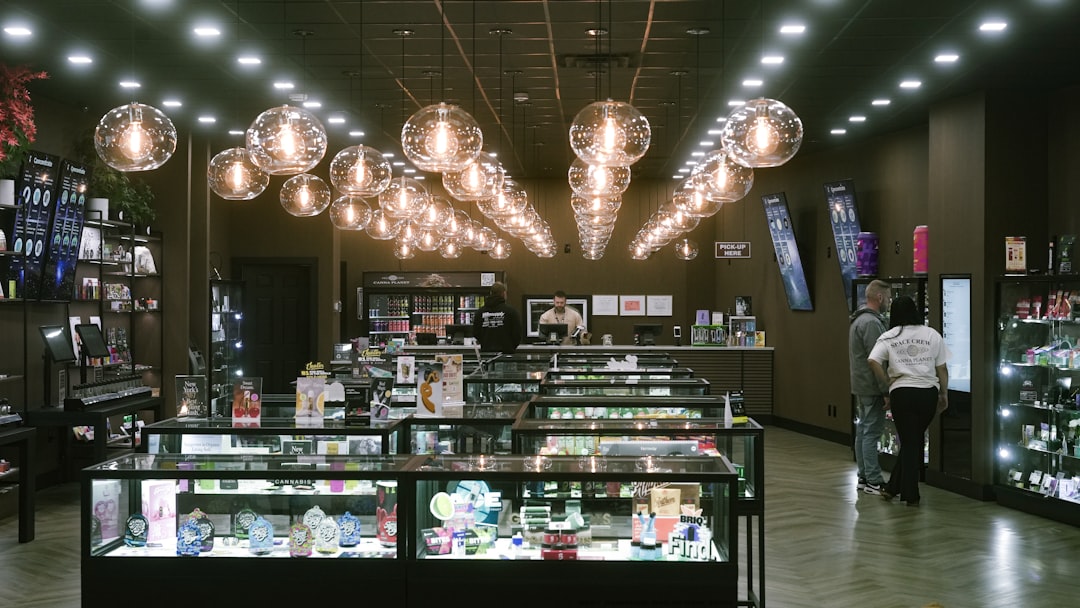
Illuminating Luxury: The Role of Modern Lighting in Jewelry Display
From Our Network
Trending stories across our publication group

Making Memories: Crafting Your Custom Jewelry Experience

Winter Ski Deals: Unique Gifts for the Jewelry Lover

The Unexpected Benefits of Ethical Sourcing in the Jewelry Industry

Investing in Love: The Emotional Value of Sapphires Beyond Price Tags

A Beginner's Guide to Layering Accessories for Every Occasion
